How can youth contribute in transforming local food cultures: Integrated Mountain Initiative webinar

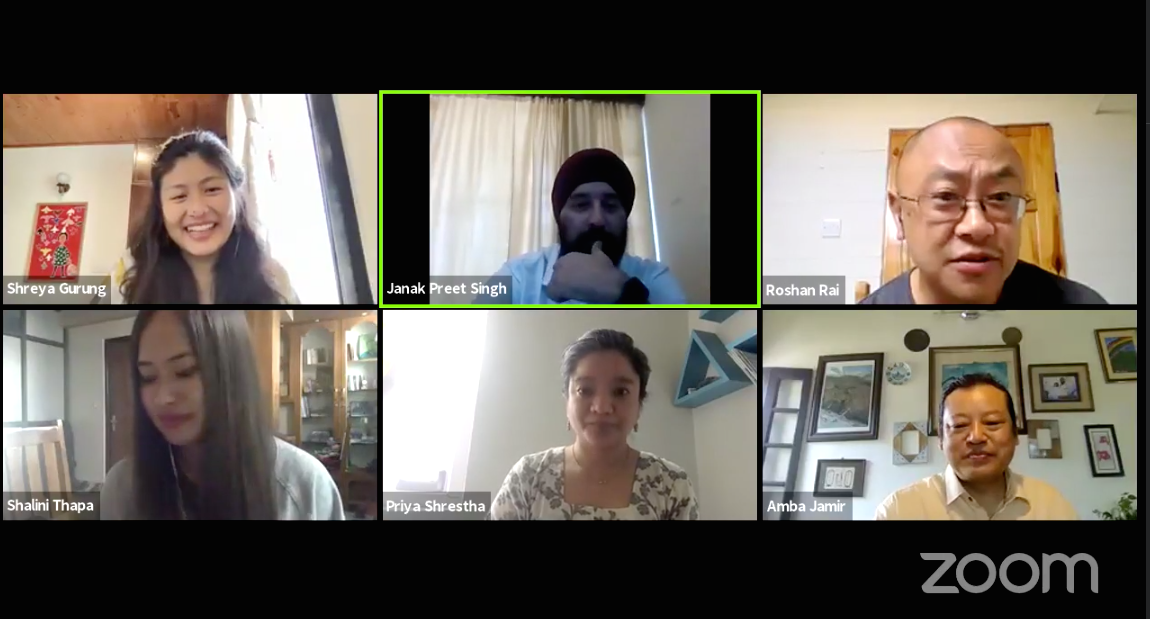
An online webinar was organised by the Integrated Mountain Initiative on the occasion of International Youth Day on August 12, 2021. The event highlighted the local food cultures across the Indian Himalayan Region and the need to transform our food systems and food cultures. Dr. Bandana Shakya, Agrobiodiversity Specialist, ICIMOD, and Mr. Janak Preet Singh, Sr. Associate, Livelihoods, NESFAS were the keynote speakers of this session where they highlighted Food Systems as interdisciplinary and game-changing solutions to ensure sustainability.

0 Comments

Youth for Indigenous Food System: Handing over the baton to the next generation

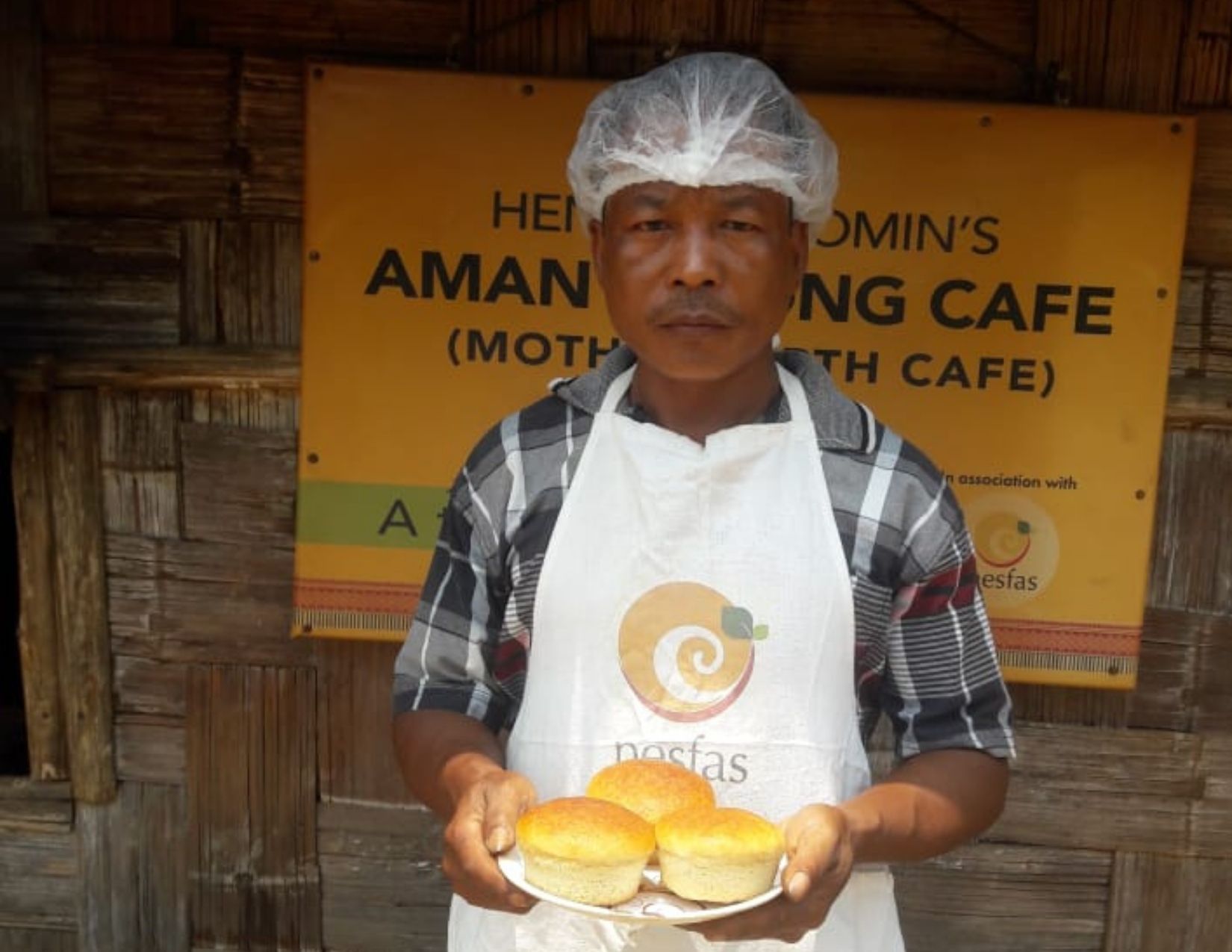
NESFAS’ “No one shall be left behind” initiative supported by REC (Rural Electrical Corporation Ltd) Foundation kick-started in July 2018. The initiative aimed to enhance Indigenous Food Systems (IFS) that would significantly contribute to improved nutrition, food security, and sustainable livelihoods among 130 indigenous communities of Meghalaya and Nagaland.

0 Comments

International Day of the World’s Indigenous Peoples: NESFAS’ “No One shall be left behind’ ‘ initiative strengthens Indigenous communities at grassroots level

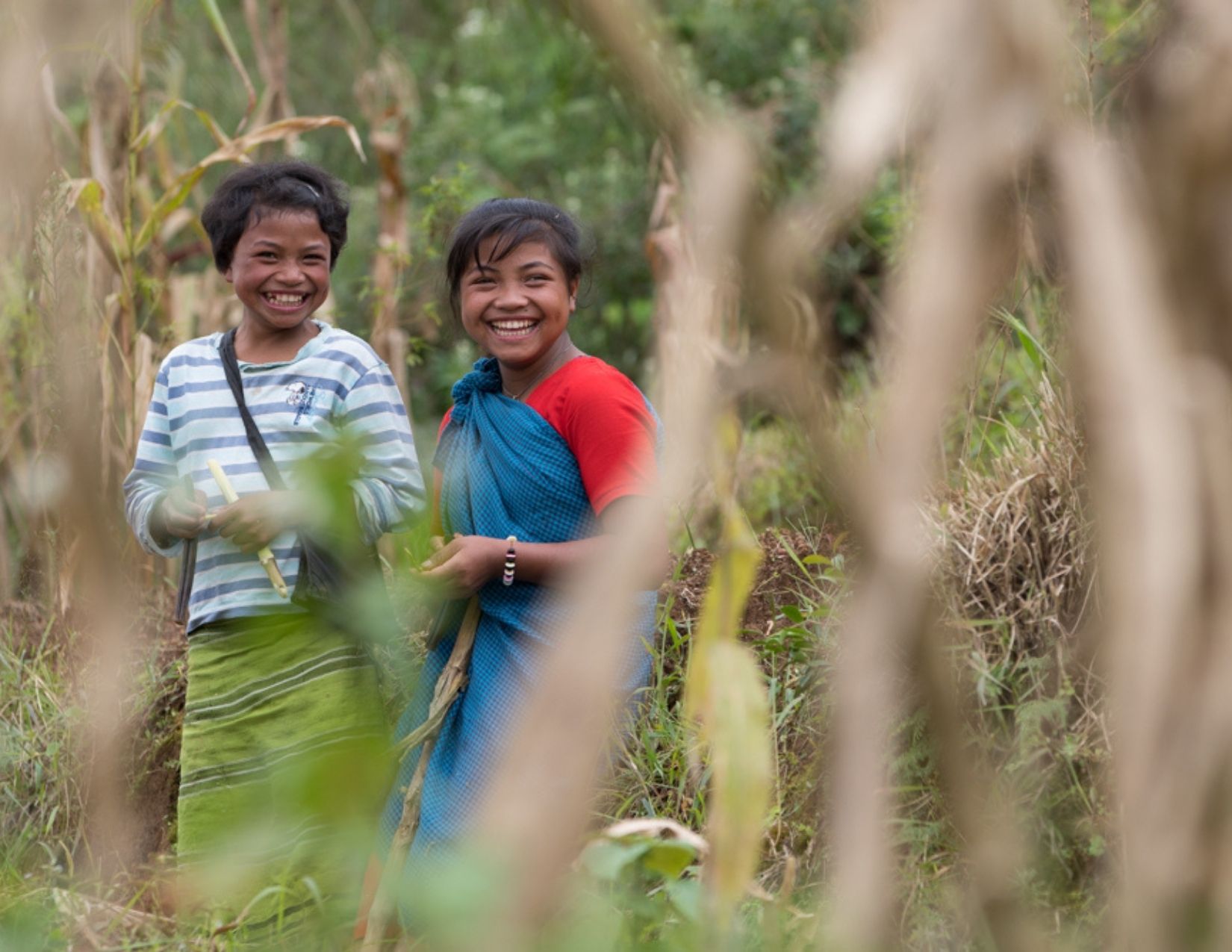
Indigenous Peoples account for 6.2% of the global population and are custodians of vast diversity of unique cultures, traditions, language, knowledge and food systems. Every year, the 9th of August is celebrated as the International Day of the World’s Indigenous Peoples. This year, the UN has set the theme for the event as “Leaving no one behind: Indigenous peoples and the call for a new social contract”

0 Comments
Read more about the article Celebrating the revival of Khneng Embroidery
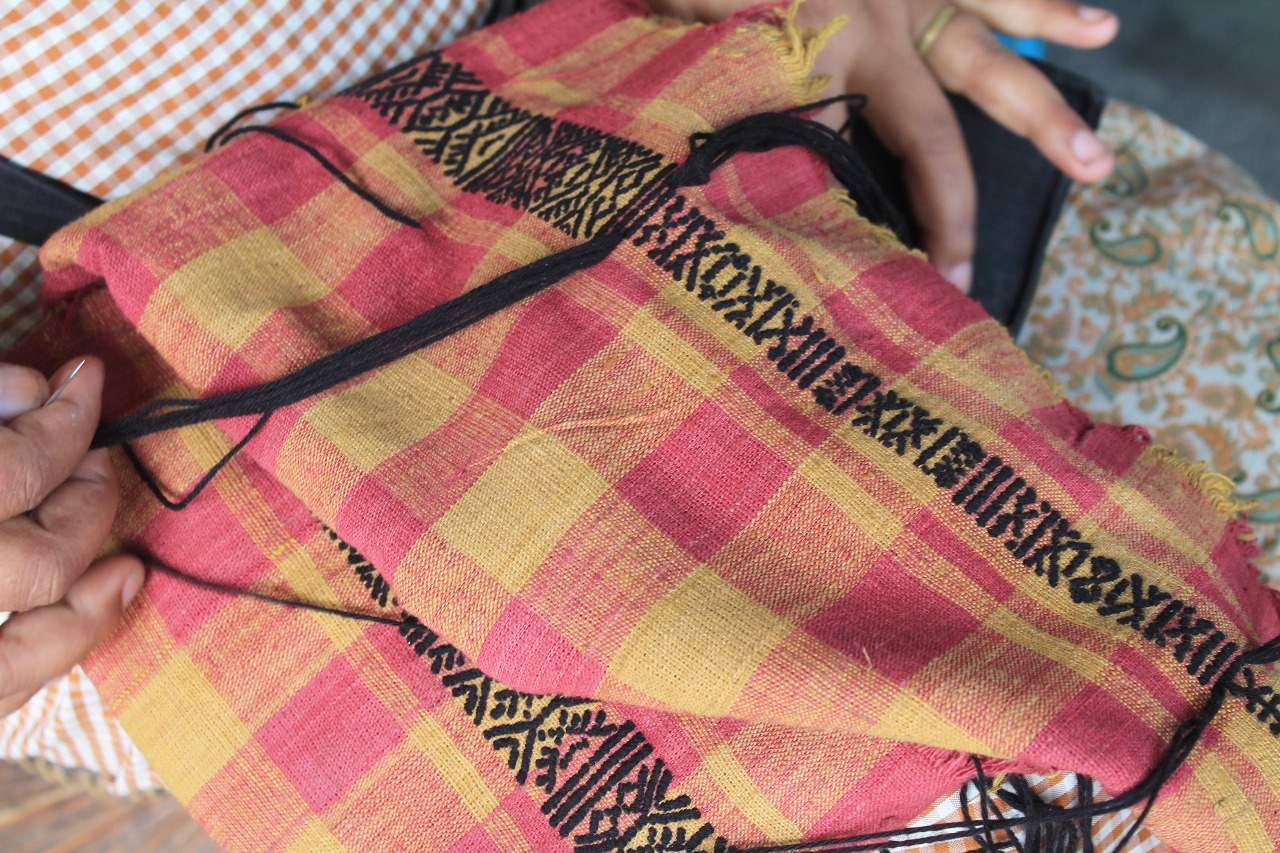
Khneng embroidery pattern in an Eri Silk shawl

Celebrating the revival of Khneng Embroidery

Khneng embroidery is a 200 year-long tradition that is unique to Meghalaya and is also the only known traditional embroidery technique of the State. The word ‘Khneng’ roughly translates to ‘border’ in Khasi and the inspiration of the embroidery pattern is drawn from a local insect called ‘ktiar’ that resembles a centipede.

0 Comments

What the PM-KISAN Scheme reveals about landlessness in Meghalaya

Agriculture, without doubt, is the most important sector of the economy of Meghalaya. It contributes to more than 20% of the State GDP and provides employment to more than half of the labour force in the State. Therefore, it wasn’t a surprise when during his visit to Songsak in East Garo Hills the Chief Minister, Conrad Sangma, declared that his government prioritizes the farming community

0 Comments