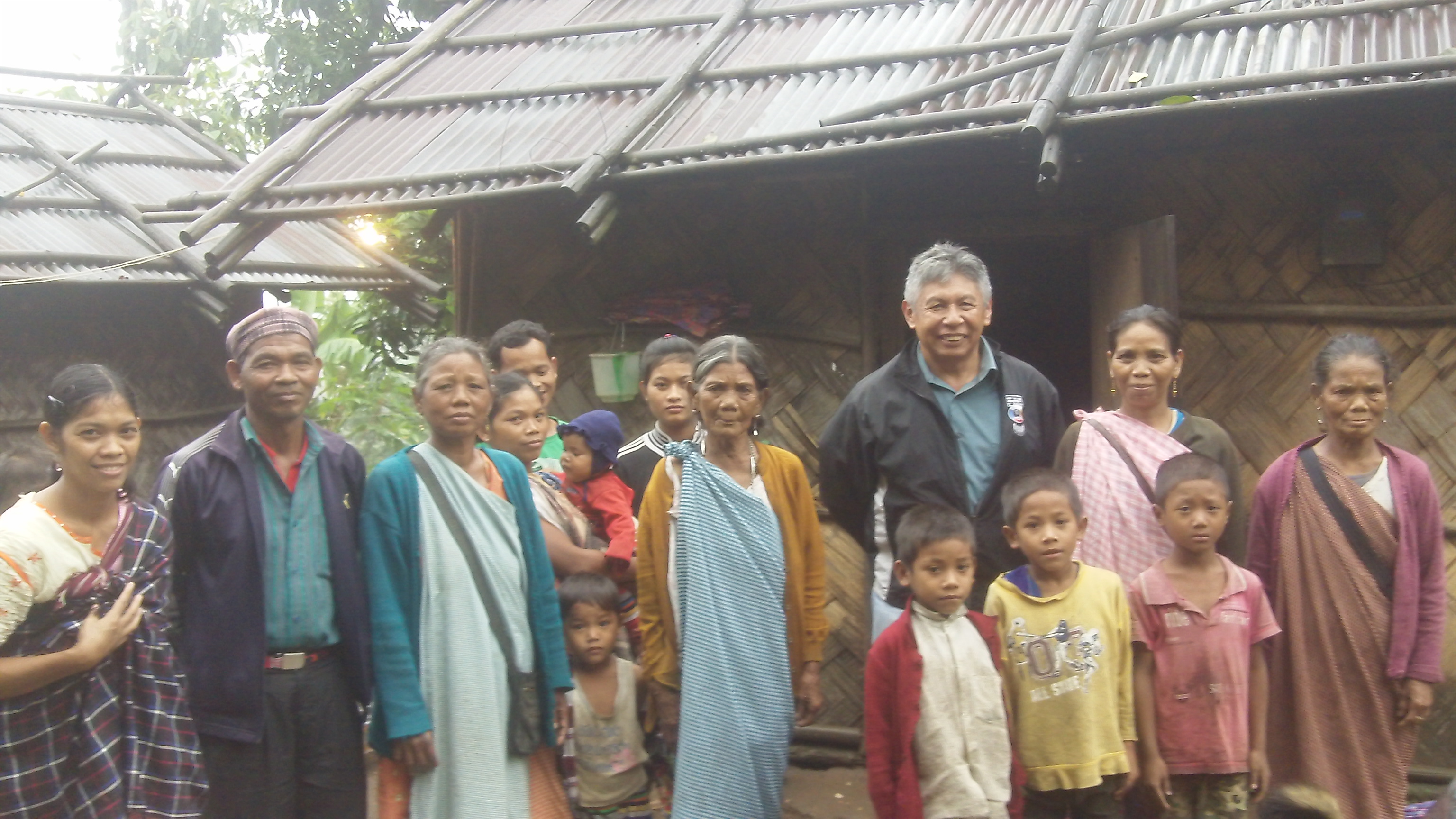
Agroecologist Dr. Francisco visits West Khasi Hills
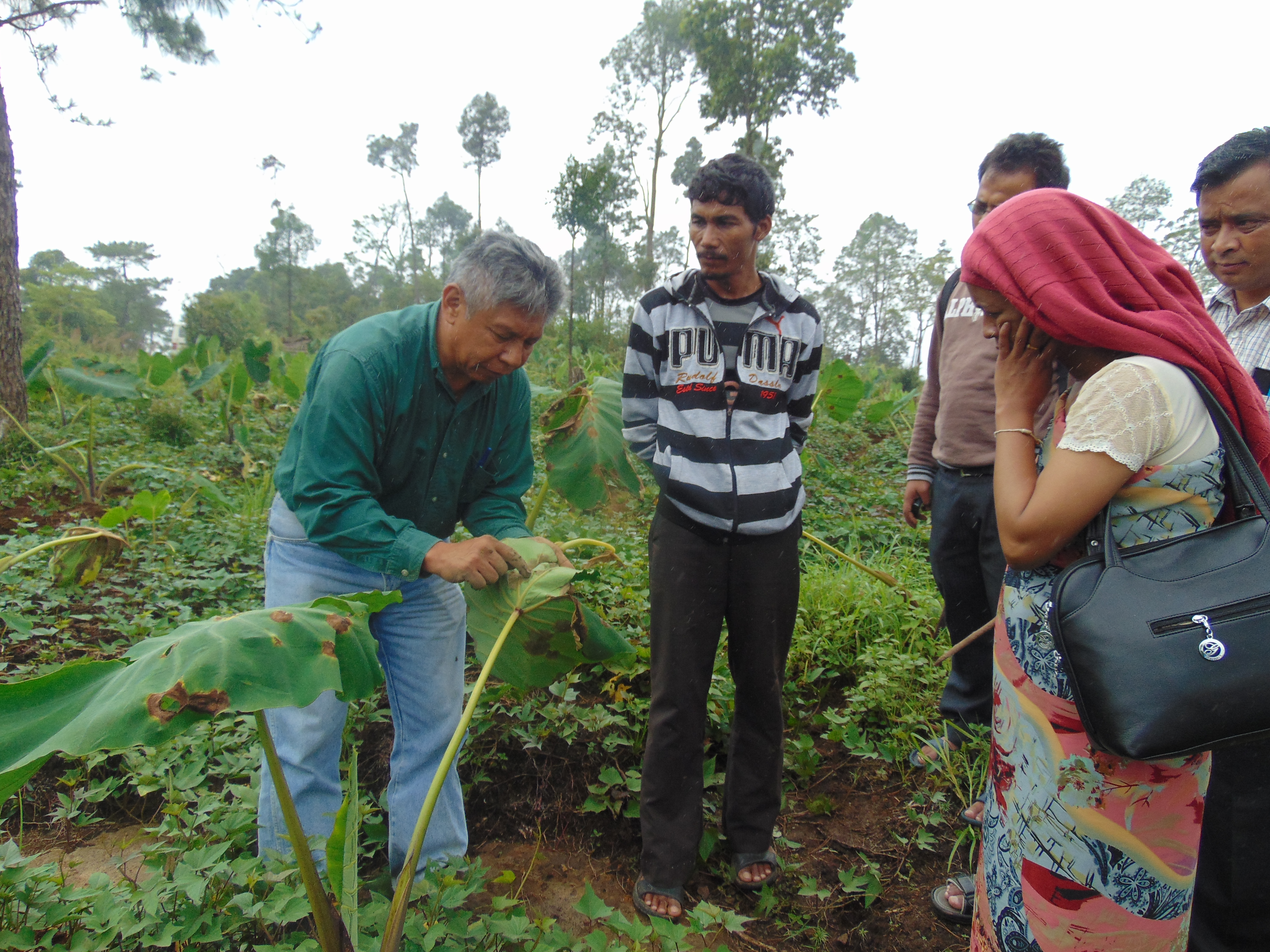
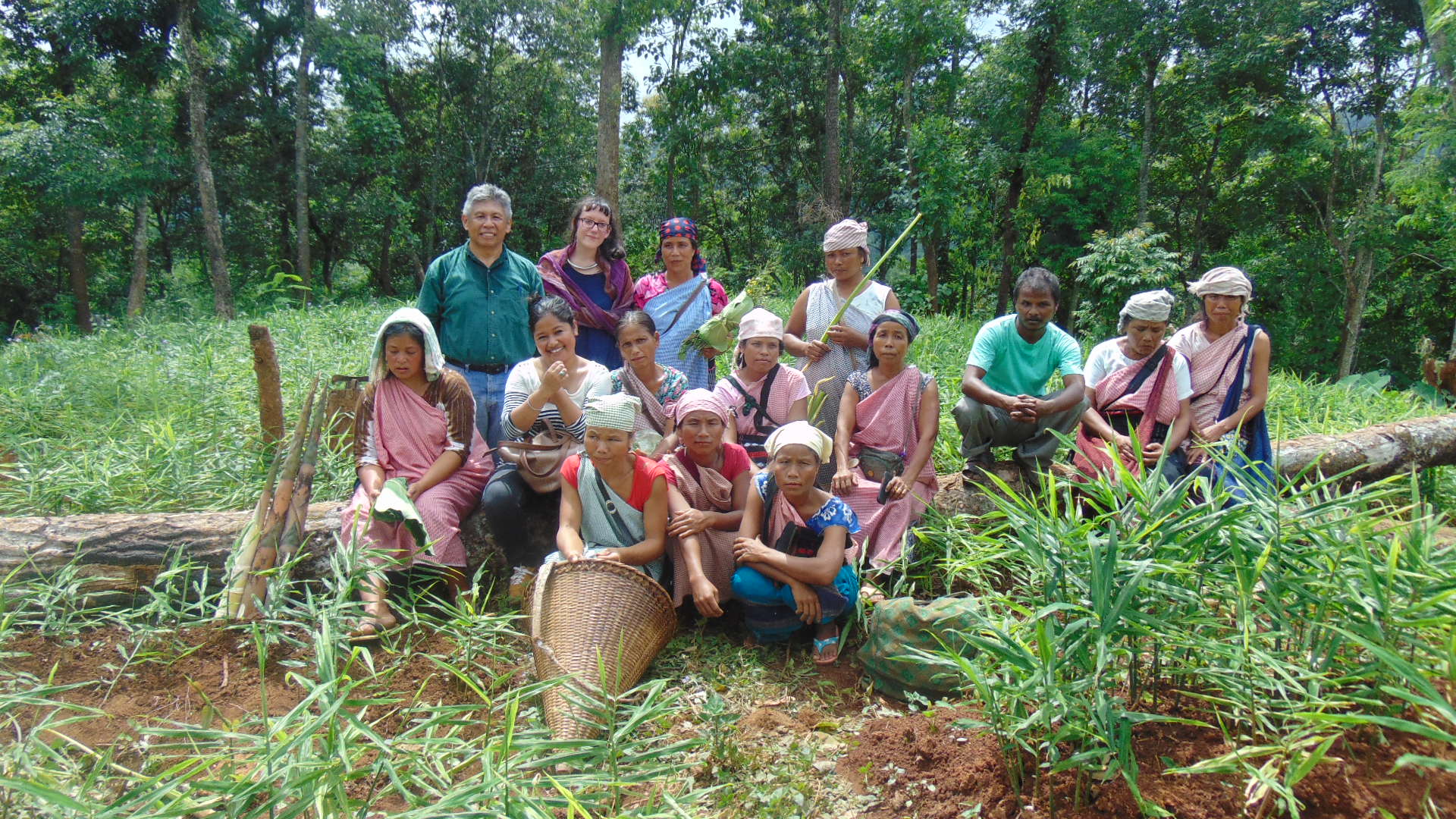
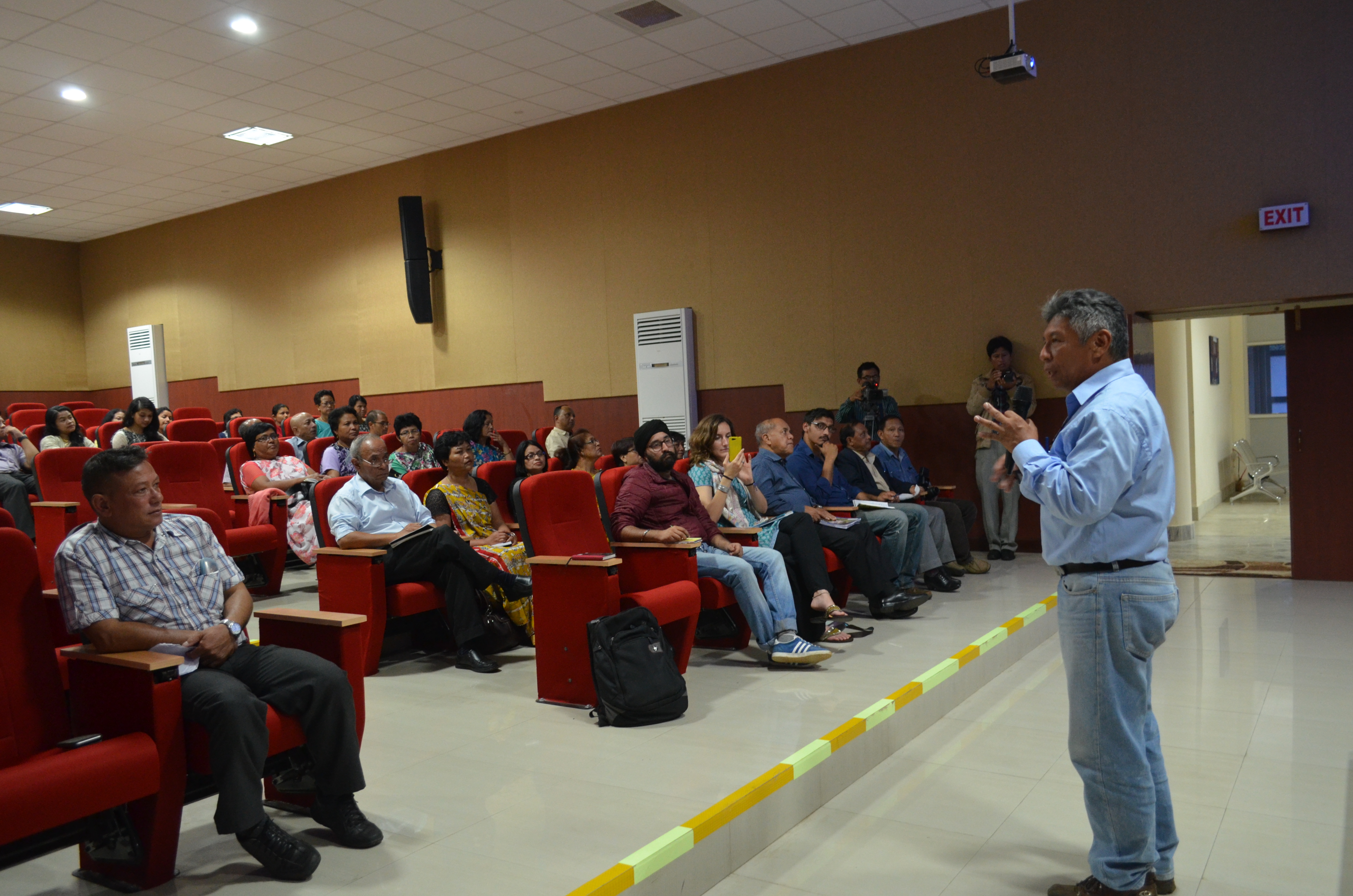
NESFAS, being eager to promote Agroecology in Meghalaya and the North East India region, took the opportunity to host and facilitate a sharing of ideas on agroecological practices in the state…
NESFAS was happy to bring together friends from esteemed positions who have over the time advised and mentored the development of the organization. They included the Board members of NESFAS…
On the 18th of August the North East Slow Food & Agrobiodiversity Society (NESFAS) along with cooks and chefs from around Shillong and villages of Meghalaya, with the support of…
A visit to Chandigre Village, falling under the Rongram Community and Rural Development Block of West Garo Hills, on 7th August 2015 by the NESFAS team ended with a scrumptious meal…
If every decision that we make can be assumed to be a vote for the kind of world that we choose to live in, then choosing to have ‘slow food’ as opposed to eating ‘fast food’ might be instrumental in saving our planet (for a responsible handover to the future generation).
Researchers analysed yields for wheat and rice alongside pollution data, and concluded significant decreases in yield could be attributed to two air pollutants, black carbon and ground level ozone. The finding has implications for global food security as India is a major rice exporter.