Foundations on Grass: The Story of Samingre community

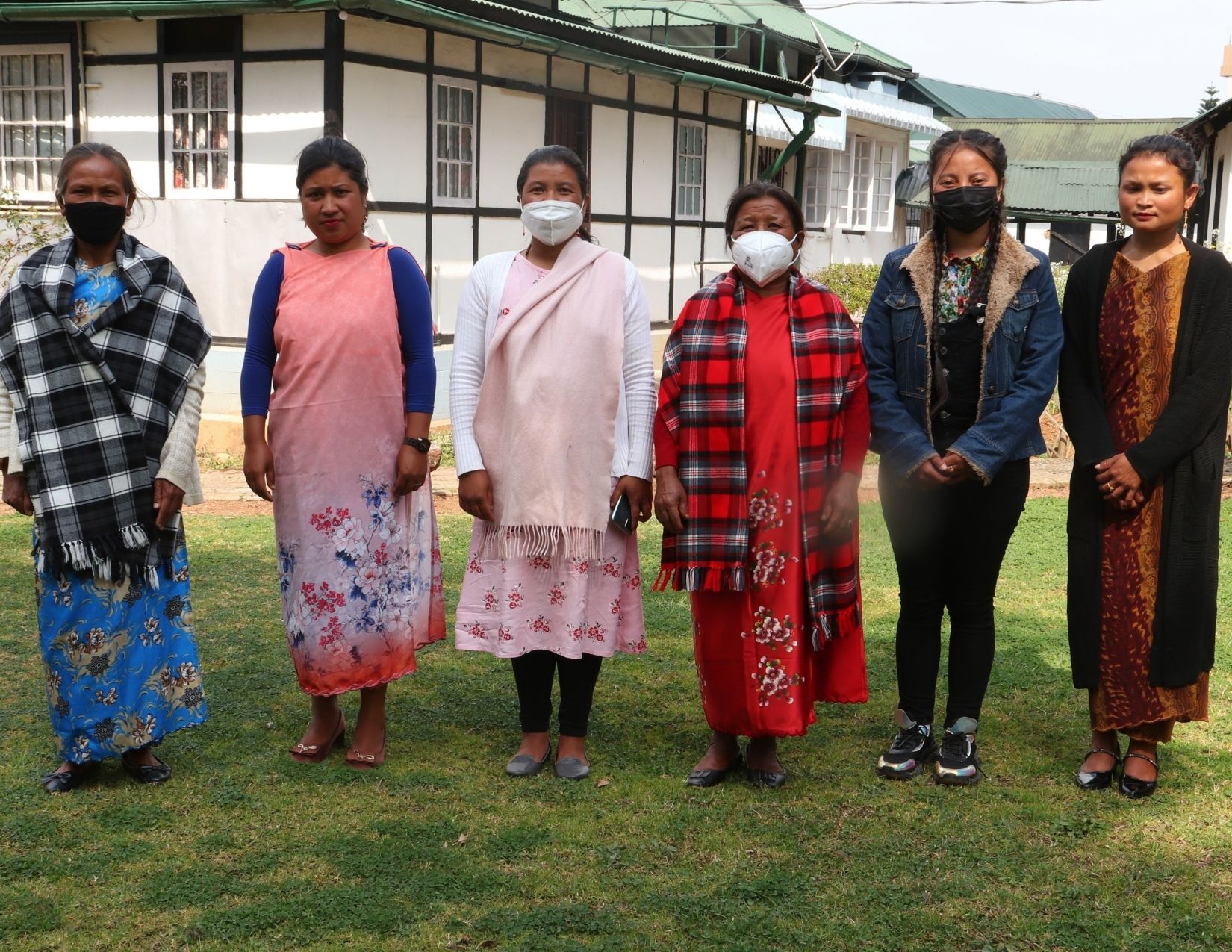
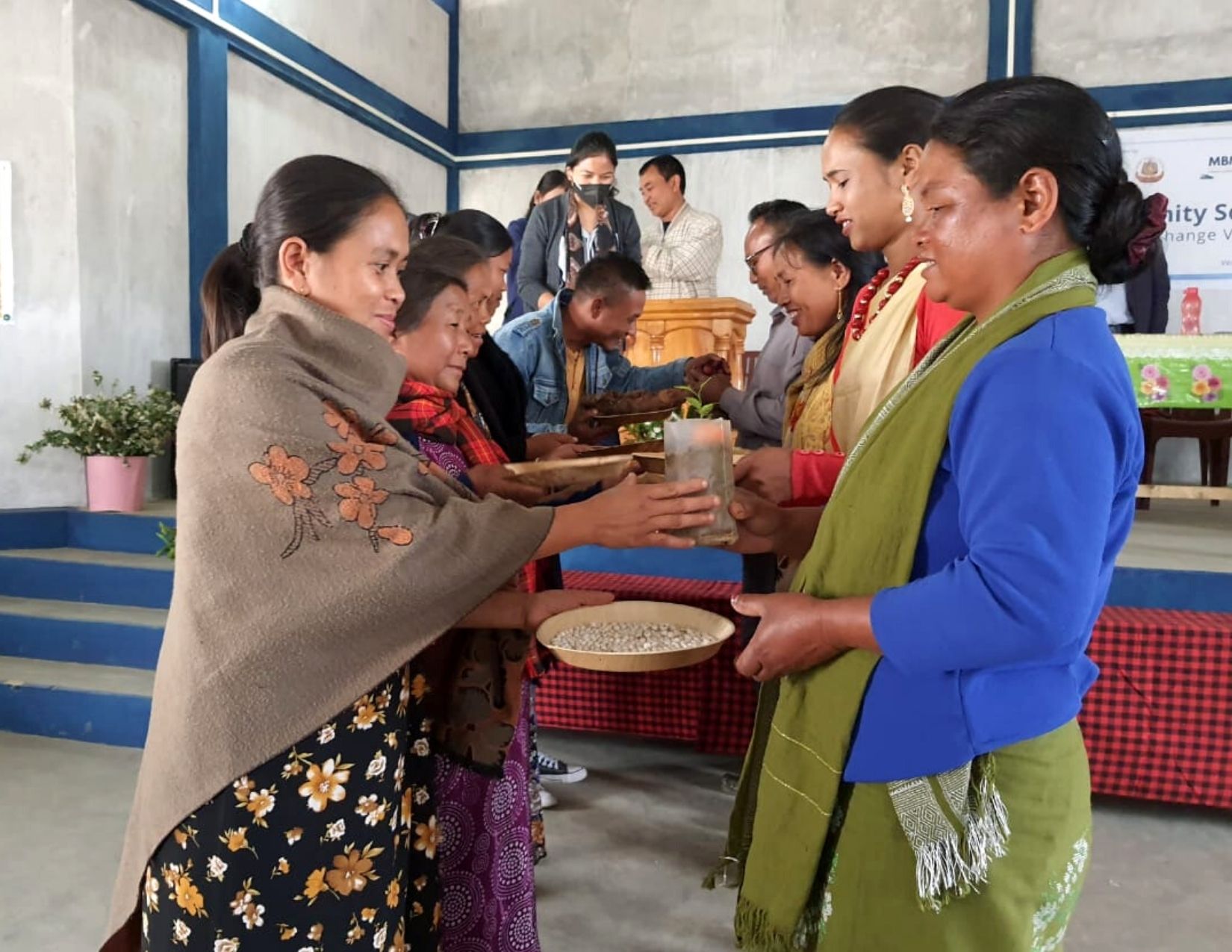
Samingre is a small, peaceful village of 100 households, located in West Garo Hills. The village is self-sufficient and most of its people are dependent on agriculture. Samingre is an active and promising partner village of NESFAS. The Community Hall renovation project undertaken by NESFAS has been successfully completed in 2021, and the recent monitoring and cluster workshop was conducted there for Community Facilitators from all of the partner villages of NESFAS in Garo Hills.

Comments Off on Foundations on Grass: The Story of Samingre community

Tried and tested-Exploring indigenous pest management

A technical training on pest management was organized by NESFAS at Samingre in West Garo Hills on the 10th of May, 2022. A progressive farmer, Shri. Rajesh. B. Marak, from the village of Darechikgre, West Garo Hills, facilitated the training in the presence of NESFAS team.

Comments Off on Tried and tested-Exploring indigenous pest management

World Bee Day: Celebrating the diversity of Bees and Beekeeping systems

A virtual event was organized by Food and Agriculture Organization (FAO) on 20th May on World Bee Day to commemorate the diversity of bees and beekeeping systems, also highlighting pollinator experts and practitioners from across the world.

Comments Off on World Bee Day: Celebrating the diversity of Bees and Beekeeping systems

Linking Schools to Agrobiodiversity: NESFAS’ latest initiative to oust Malnutrition through school meals kicks off at 5 schools

The official launch of the six-month-long, “Linking Schools to Agrobiodiversity for Improved diets, Nutrition, and Livelihoods” initiative by NESFAS was held at Ladmawphlang Community Hall on the 20th of May 2022. The event, which was conducted at the solar-powered community hall of Ladmawphlang.

Comments Off on Linking Schools to Agrobiodiversity: NESFAS’ latest initiative to oust Malnutrition through school meals kicks off at 5 schools
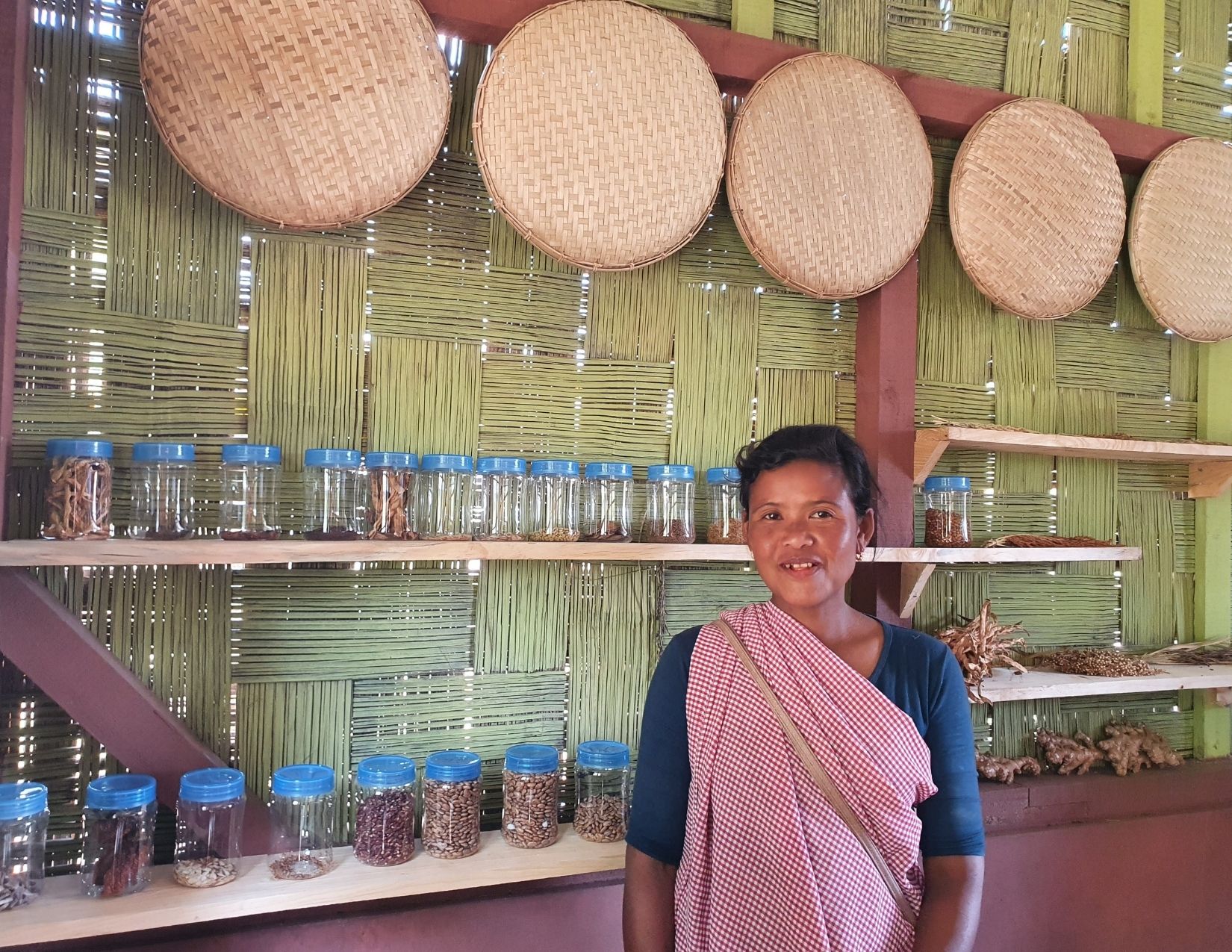
Read more about the article Mulum Community Seed Bank leads the way in preserving and disseminating Indigenous seeds
Community Seed Bank at Mulum, West Jaintia Hills

Mulum Community Seed Bank leads the way in preserving and disseminating Indigenous seeds

Before the intervention of SURE and NESFAS, farmers of the Mulum community in West Jaintia Hills preserved their seeds in the traditional method that had been practised since the olden days - the seeds were either kept hanging above the fireplace or wrapped in a cloth and kept near the fireplace.

Comments Off on Mulum Community Seed Bank leads the way in preserving and disseminating Indigenous seeds